Two Tombs, One Congregation: The Easter Dispute That Split a Kansas Church Down the Middle
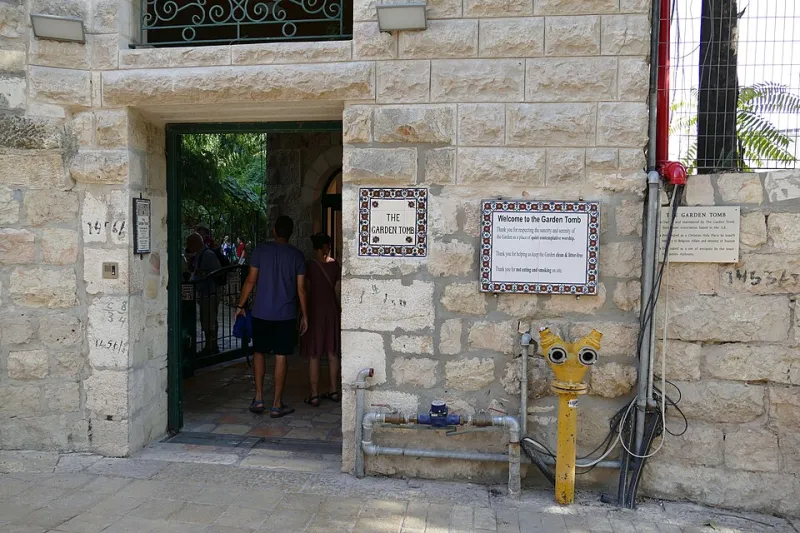
Photo: Bukvoed, CC BY 4.0, via Wikimedia Commons
The dispute at Grace Covenant Church in Wichita, Kansas, began — as most church disputes do — with a slideshow.
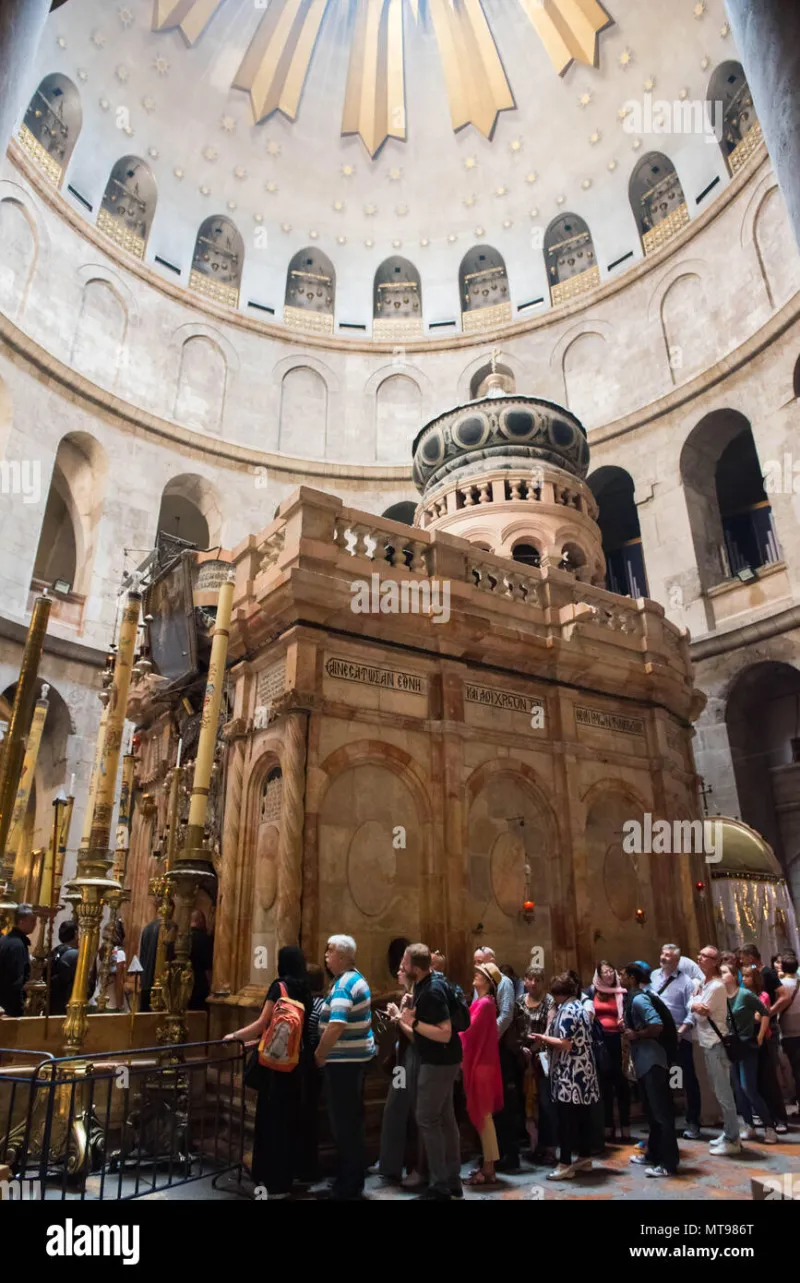
Forty-one members of the congregation had traveled to Jerusalem the previous spring on what the promotional materials called a 'faith-strengthening pilgrimage.' They walked the Via Dolorosa. They touched the Stone of Anointing. They waited in line at the Aedicule, the marble shrine encasing the tomb of Christ, and they filed out through the door of the Church of the Holy Sepulchre into the blazing afternoon light of the Christian Quarter.
Then, on the itinerary's final day, they visited the Garden Tomb.
The Case for the Quiet Garden
For those unfamiliar with the geography of competing claims: the Garden Tomb, located just beyond the Damascus Gate in East Jerusalem, is a rock-cut tomb discovered in the nineteenth century and promoted — particularly by British and American Protestants — as a possible site of Christ's burial. Archaeologists, including its own former custodians, have largely concluded it is not. The site's own leadership concedes the point. Its appeal has never been evidentiary. It is atmospheric.
And that atmosphere struck several members of the Wichita group like a revelation. No incense. No queues of pilgrims from a dozen nations. No gilded iconostasis. Just a garden, a rock face resembling a skull, and a communion table under an olive tree.
'It felt like the first honest hour of the whole trip,' one attendee later told the congregation's board. 'I could actually picture it there.'
The Case for the Anastasis
Other members heard that comment as an insult — to the site Christians have venerated since the fourth century, and, some felt, to the pilgrims among them who had wept at the tomb itself.
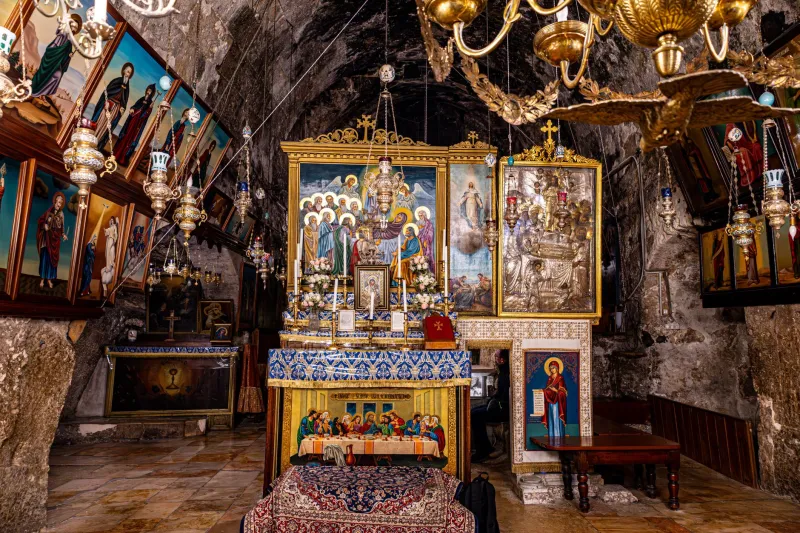
The Church of the Holy Sepulchre has been the locus of Christian memory since Emperor Constantine's mother, Helena, identified the site around 326 AD. Nearly every major tradition of Christianity — Catholic, Orthodox, Armenian, Coptic, Ethiopian, Syriac — recognizes it. What it does not feel like, to many low-church Protestants, is anything at all. It feels foreign. It smells of frankincense and candle smoke. It is governed, liturgically and architecturally, by traditions that American evangelicalism spent two centuries defining itself against.
When the pastor, a soft-spoken man in his fifties who had organized the trip, proposed holding the church's Easter sunrise service 'in the spirit of the Anastasis,' the garden faction pushed back. They wanted the service styled after the Garden Tomb. The argument consumed three board meetings, one tense all-church forum, and — by reliable account — at least one resignation from the planning committee.
What the Fight Was Really About
It is tempting to file this under church pettiness, a congregation of two hundred arguing over liturgical set dressing. But the dispute deserves more credit than that, because it exposes something genuine about American Protestant identity.
Protestantism, and American evangelicalism especially, has always had an ambivalent relationship with sacred space. The Reformation's core instinct was that God is no more present at Calvary's traditional site than in a Kansas living room. Yet pilgrimage persists, and pilgrims keep coming home changed. When those pilgrims encounter Christianity's holiest site — a site owned, operated, and jealously guarded by Catholic and Orthodox communities — they confront the fact that the center of their faith is not, and has never been, administratively theirs.
The Garden Tomb offers a workaround. It is, functionally, a Protestant Jerusalem: quiet, legible, and unencumbered by two thousand years of shared custody. Choosing it is not really an archaeological decision. It is a statement about which Christianity feels like home.
The Pastor's Resolution
In the end, the Wichita pastor did something neither faction expected. He held the sunrise service in the church parking lot — a nod, he explained, to the fact that the tomb in question was empty, and had been for a very long time. Then he preached on the strangeness of arguing about where to remember a resurrection that cannot be located by argument at all.
Attendance, notably, was the highest in the church's history.
There is a lesson in that, though it is not the one either side wanted. The Church of the Holy Sepulchre and the Garden Tomb represent two honest answers to the same question: how do finite people stand near an infinite event? One answer is marble, incense, and ancient custody. The other is a garden and a folding chair. American Protestants do not have to choose. But they should understand what the choice means — because the debate itself, more than either site, may be the most Protestant thing about the whole pilgrimage.